
Tides of Knowing
If you read tarot, oracle, or Lenormand — and want to trust what you're seeing, not second-guess it — this is for you.
Tides of Knowing is a practical body of work about perception, interpretation, and the disciplined use of intuition through the cards.
It is written for tarot, oracle, and Lenormand readers who want more than card meanings alone. Some read for themselves. Some read for others. Many do both. What matters is the desire to work more deeply, more accurately, and with greater trust in what is actually being shown.
This site is not built around collecting endless interpretations.
It is built around learning how to recognise what matters, how to follow what is relevant, and how to translate what you perceive into something coherent, grounded, and useful.
Because the deeper value of working with cards is not confined to the reading table.
These skills shape how you read people, how you recognise what is and is not yours to carry, how you restore boundaries, how you make more meaningful space for yourself, and how you navigate life with greater calm, clarity, and self-trust.
What you’ll find here
Tides of Knowing is structured around long-form article series and standalone essays.
The series are designed to help readers deepen their relationship with the cards, with themselves, and with others. They explore the practical foundations of intuitive work: how perception functions, what makes a reading hold together, why meaning alone is often not enough, and how intuitive skill can be strengthened through attention, structure, and practice.
Alongside these are individual articles written when a particular insight needs to be shared. These pieces may respond to something observed in practice, a question that keeps arising, or a deeper truth about intuitive work that deserves its own space.
Together, the content is intended to support both personal development and better guidance for others.
What this work is for
The purpose of this site is simple:
to help you read, reflect, and deepen your intuition in ways that bring more peace, more clarity, and more structure to your life.
For some, that will mean becoming a more grounded and trustworthy reader.
For others, it will mean using the cards as a tool for personal insight, emotional honesty, stronger boundaries, and better decision-making.
In both cases, the aim is the same: to make intuitive knowledge more coherent, more practical, and more fully lived.
About the work
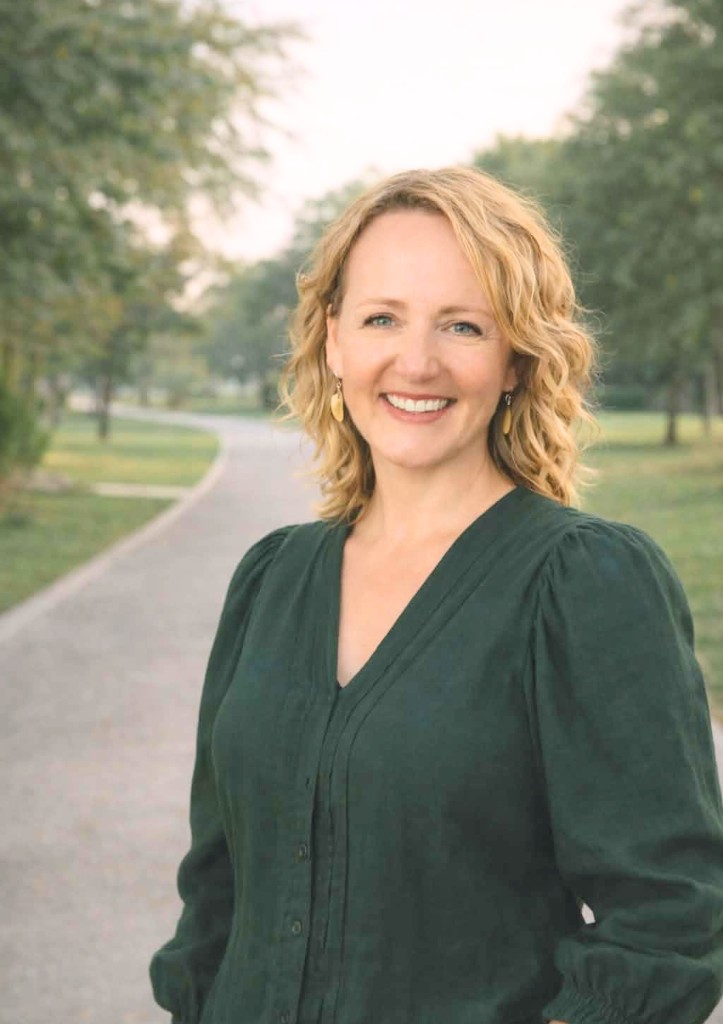
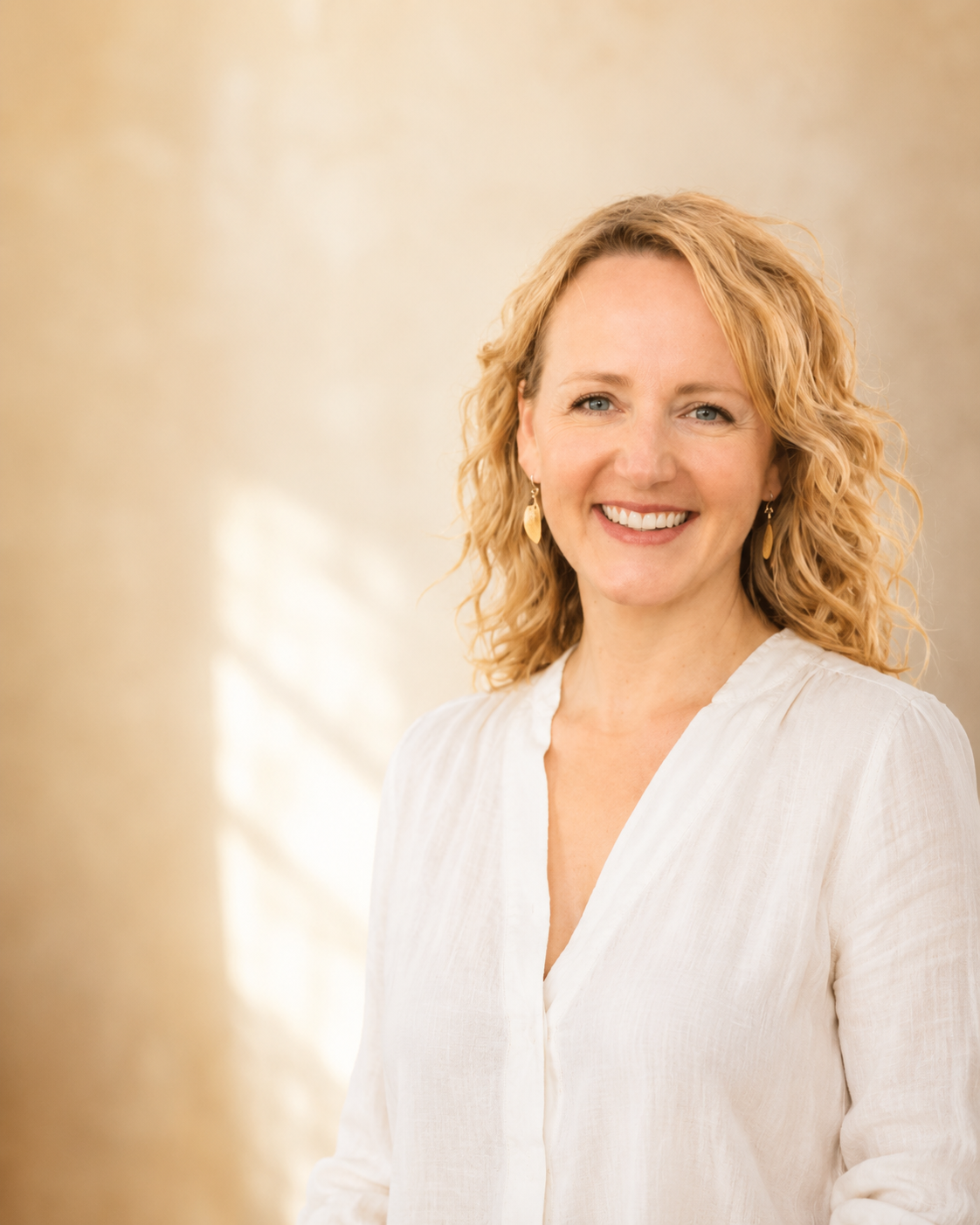
I have spent more than thirty years working with language, perception, and interpretation as a journalist, reader, and educator.
Tides of Knowing grows out of that intersection.
It is the written companion to The Deck Compass and a place for serious, thoughtful exploration of what intuition is, how it works, and how it can be developed into a skill that serves everyday life.
You can read more about my background on the About page.
Stay close to the work
Get new articles and early access
This work develops over time. Join the list to stay close to it.
Join the list →Latest from the blog
- Welcome to Tides of Knowing Leigh Spencer introduces Tides of Knowing and The Deck Compass, explains how methodology articles differ from this journal, and argues that structure helps intuitive tarot readers stay precise without losing warmth.
- Reading as relationship, not performance When tarot becomes a performance for an audience, intuitive work loses the slack it needs; Leigh Spencer traces consent, repair, and the everyday habits that keep readings relational for clients and for yourself.
- The origin of the COMPASS Method Leigh Spencer reflects on how the COMPASS Method emerged over decades of intuitive reading practice, and why attention — not knowledge — became the defining factor in clarity.
- Ethics, lineage, and the long view Leigh Spencer situates intuitive tarot in history and whakapapa, defines a modest ethical frame for readers and teachers, and clarifies how public articles and The Deck Compass classroom can share one standard across different containers.
Latest in the library
Long-form methodology pieces, series, and topics — Browse the full article library
- The COMPASS Method: Seven conditions for clear intuitive reading The COMPASS Method names seven conditions of attention — Center, Open, Map, Perceive, Align, Sense, and Seal — that help intuitive reading stay clear, grounded, and trustworthy under pressure.
- From More to Better: Why Serious Tarot Readers Are Abandoning Meaning Overload Serious tarot readers are moving away from collecting meanings and toward making decisions. This cognitive shift marks the difference between knowing tarot and being able to read it.
- Meaning Does Not Live in the Card The hardest shift in tarot practice: understanding that meaning emerges from context—position, question, and relationship—not from the card itself. Most readers know this intellectually. Few have restructured their practice around it.
- The Flow Problem: Why Readings Stall and How to Move Them The biggest breakdown in live readings isn't card knowledge—it's flow. The difference between listing explanations and creating a coherent narrative with causality, movement, and direction.
- Rethinking Timing: Conditions, Readiness, and Thresholds The shift from 'when will it happen?' to 'what conditions would enable this?' Advanced readers are abandoning predictive timing for threshold proximity—more accurate, more useful, and more honest about what tarot actually reads.